
Welcome to EuroMAB 2026
EuroMAB is more than just a conference; it is a gathering of people united by a shared commitment to building a more sustainable future. Here, ideas, experiences, cultures, and knowledge come together, allowing us to learn from one another and strengthen our collective ability to address the challenges facing our world.
Whether you join us from biosphere regions, environmental organizations, research institutions, governments, local communities, or other backgrounds, we are excited to provide a space for you to share and learn about innovative practices, inspiring stories, and practical solutions that work towards sparking meaningful change.
We hope this week’s efforts, conversations, and experiences leave you feeling inspired, empowered, and eager to drive change within your communities and beyond and face the challenges at hand. Let this week demonstrate that we have a whole cohort of people supporting, growing, and trying alongside us. The challenges we face can only be solved through collaboration, willingness and teamwork; together, each individual effort becomes something more powerful and capable.
With that said, we are excited to welcome you and stand alongside you this week and in the future as we work together to weave our strengths into a single collective force to better our world.
Welcome to EuroMAB 2026.
EuroMAB 2026 Sponsors
We gratefully acknowledge our EuroMAB 2026 sponsors for their generous support. Their commitment strengthens international partnerships and collaboration among UNESCO Biosphere Reserves worldwide

MONDAY | Sept 14th, 2026
We are excited to welcome you to the Mount Arrowsmith Biosphere Region for EuroMAB 2026.
A Shuttle will be available from Nanaimo Airport a to Tigh-Na-Mara where delegates can register for EuroMAB and get settled into their accommodations.
The welcome reception will begin at 6:00pm and the welcome ceremony will start shortly afterwards.
Registration Open
Welcome Reception & Opening Ceremony- Walbran Room
11:00-19:00
18:00-22:00
-
The Opening Ceremony begins with a traditional welcome acknowledging the lands and waters that host EuroMAB 2026. Delegates are invited to reflect on the enduring relationship between Indigenous Peoples and place while beginning the conference in a spirit of respect, gratitude, and shared learning.
swatomit (Elder Jim Bob)- Snaw-naw-as First Nations.
tsumqwutun (Lawrence Mitchel)- Snaw-naw-as First Nations.
Jaylen George and Kyrrah Thomas- Snaw-naw-as First Nations.
-
Chief Mugalease (Michael Recalma)- Qualicum First Nations
Doug O’Brien- Mayor, City of Parksville
Teunis Westbroek - Mayor, Town of Qualicum Beach
Lauren Melanson- Vice Chair and Electoral Director (Area C), Regional District of Nanaimo
Stephanie Higginson - Member of the Legislative Assembly, Ladysmith-Oceanside, BC NDP
Dr. Patrick Forest - Executive Director, Priority Species at Risk, Conservation & Domestic Negotiations, Environment and Climate Change Canada
Dr. Jennifer Dingman - President, Canadian Biosphere Regions Association
Magda Fusaro - President, Canadian Commission for UNESCO
Dr. Antonio Abreu - MAB Programme Secretariat, UNESCO
-
Salish shxw’aluqw’a’ - serves as prominent cultural ambassadors in the Pacific Northwest, sharing traditional drumming, singing, and storytelling to preserve and celebrate Coast Salish heritage.
-
Dr. Pam Shaw- Co-Director, Mount Arrowsmith Biosphere Region Research Institute & Roundtable Member, Mount Arrowsmith Biosphere Region
Zoe Compton- Programme Officer, Natural Sciences, Canadian Commission for UNESCO
Tuesday | Sept 15th, 2026
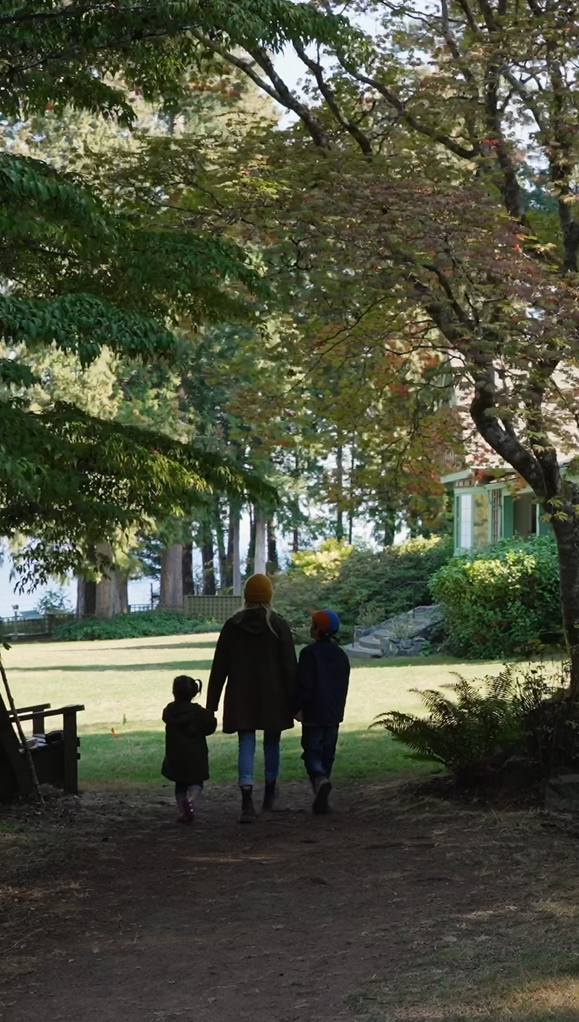
Start your day off with some light yoga led by a local instructor, or take a cup of coffee down to the beach and watch the tide come in or retreat. Then join us for breakfast before we open the day with some light housekeeping.
Plenary sessions will run through the morning as you hear from Dr. Antonio Abreu for a keynote address from the UNESCO MAB Secretariat and learn about Indigenous-Led Conservation from Tla-o-qui-aht member Eli Enns.
Lunch will be served before we head to breakout sessions that will cover topics such as: local traditional plant teachings, collaborations with post-secondary institutions, engaging with Indigenous knowledge, transboundary biosphere reserves, and place-based methods.
A short networking session will follow the breakouts in the late afternoon, and then some delegates will attend a drum-making workshop (must pre-register) while others head out into town for dinner or book a treatment at the spa.
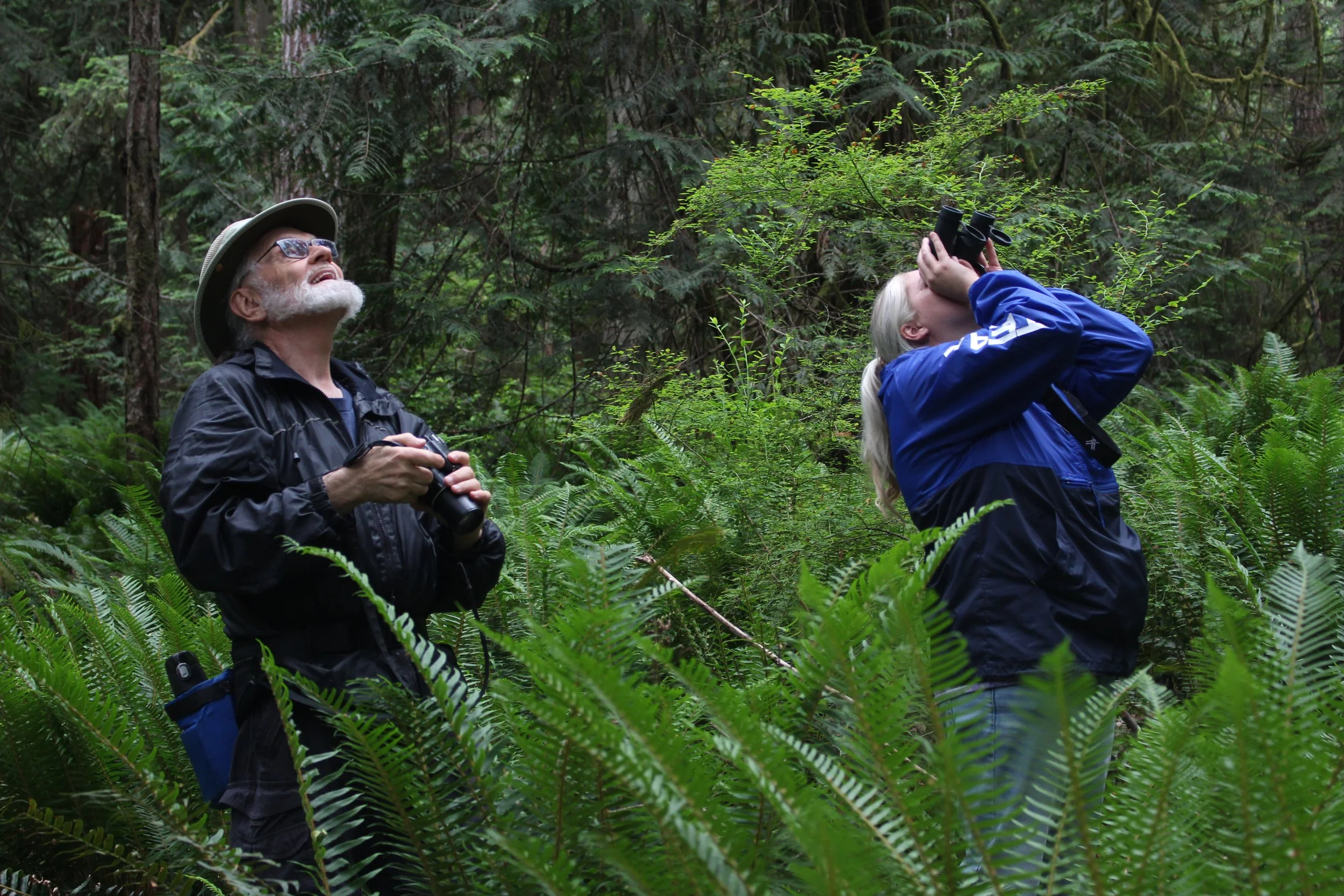
Morning Yoga (Pre-Register)
Registration Open in foyer
Breakfast
Plenary #1- Walbran Room
7:00-7:45
8:00-12:00
8:00-9:00
9:00-10:45
-
Dr. Pam Shaw- Co-Director, Mount Arrowsmith Biosphere Region Research Institute & Roundtable Member, Mount Arrowsmith Biosphere Region
Zoe Compton- Programme Officer, Natural Sciences, Canadian Commission for UNESCO
-
Dr. Antonio Abreu - MAB Programme Secretariat, UNESCO
“Our vision is a world where we human beings live up to the collective understanding of our shared future on a finite planet and acknowledge our interdependence with non-human life. Individuals and communities collaborate responsibly to create healthy, peaceful and prosperous societies that live in harmony with nature, with an emphasis on intra and intergenerational justice, and social and ecological solidarity.” Hangzhou Strategic Action Plan
In September 2025, the Fifth World Congress of Biosphere Reserves approved the Hangzhou Strategic Action Plan for the UNESCO Man and Biosphere Programme and World Network of Biosphere Reserves (2026-2035), with a new vision for the MAB Programme and the World Network of Biosphere Reserves.
During this session, the MAB Secretariat and MAB Partners will provide an overview of how this vision is translating to implementation on the ground and focuses on a couple of key areas of action: networks and Indigenous Peoples and local communities. Other key action targets will be highlighted in other sessions during the Conference, notably a session on MAB Youth.
-
Marc Font- Ordino Biosphere Reserve, Andorra
Dr. Antonio Abreu- Executive Secretary, MAB Programme, UNESCO
UNESCO MAB’s global, regional and thematic networks share knowledge, build innovative solutions and create partnerships beyond national borders, a factor which is particularly highlighted in Hangzhou SAP Target 17. This panel will feature two MAB Networks: the WNMBR and MedMAB, as well as summary comments from Mr. Abreu. The World Network of Mountain Biosphere Reserves (WNMBR) will showcase how it brings together UNESCO biosphere reserves in mountain territories and their partner research institutions, using them as long-term socio-ecological observatories that connect research, site management and policy. The Mediterranean Biosphere Reserve Network (MedMAB) will present approaches that it is developing to assessing the impact of MAB Networks and strengthen their contribution to the implementation of the Hangzhou Strategic Action Plan.
-
David Schimpky (Moderator)- Executive Director, Frontenac Arch Biosphere Region
Rebecca Pollock- Georgian Bay Mnidoo Gamii Biosphere Region
Dawson Bloor- Georgian Bay Mnidoo Gamii Biosphere Region
Natalia Beltrán- OAPN, Spain, Secretary, IberoMAB Network
This panel will examine how biosphere reserves can strengthen the leadership, rights and full participation of Indigenous Peoples and local communities in governance, conservation and management, in line with Action Target 15 of the Hangzhou Strategic Action Plan. Moderated by David Schimpky, it will present practical examples ranging from First Nations and Anishinaabek youth initiatives in Canada to intercultural dialogues advancing Indigenous and Afro-descendant rights across Ibero-America and the Caribbean, highlighting how local, national and regional collaboration can support reconciliation, inclusion and effective participation.
Health Break
Plenary #2- Walbran Room
10:45-11:15
11:15-12:00
-
David Béland- Canadian MAB Youth Focal Point
Sara Bianchi
Abstract: This session traces the recent journey of MAB Youth through key milestones since 2017, with particular focus on the 3rd Global MAB Youth Forum held in Italy earlier in 2026. It will highlight key takeaways from the resulting Declaration and Action Plan, and open a forward-looking discussion to build momentum for the years ahead.
Lunch
Breakout Session #1
12:00-13:00
13:00-14:45
-
Traditional Plant Workshop
Speaker(s): C’tasi:a (Geraldine Manson) & Dr. Nancy Turner
Abstract: Learn about local plants and their traditional uses through a presentation by Snuneymuxw First Nation Elder C’tasi:a (Geraldine Manson) and distinguished professor and ethnobotanist Dr. Nancy Turner as they discuss their new book titled: Plant Teaching from my Auntie – Gathering Coast Salish plants for medicine, textiles, nourishment, and ceremony.
-
Biosphere Region/University Community Based Research, Conervation Leadership and Experiential Education Panel
Speaker(s): Dr. Mathew Bowes & Dr. Lauren Touchant
Abstract: This panel intends to bring together academics and biosphere region representatives from around the world in a discussion of educational and research partnerships and practices between faculty, students and biosphere regions. Vancouver Island University (VIU). This session will also introduce our new project, the SDG-MAB Ideas Factory. A dedicated physical space that will integrate a social innovation laboratory with an SDG-focused incubator to advance sustainable development within the Mount Arrowsmith Biosphere Region.
Context Matters: Exploring Differences in Transdisciplinary (TD) Education Needs Between Sub-Saharan Africa, Europe, and North America
Speaker(s): Dr. Heike Molitor & Franziska Rottig & Jana Gengelbach
Abstract: This session introduces the project Promoting African Student Researchers for Sustainable Development in UNESCO Biosphere Reserves, which strengthens transdisciplinary, practice-oriented research through training, networking, and knowledge exchange. Participants will share their understanding of transdisciplinarity and discuss how this can be reflected in a training program aimed at scientific, local, indigenous, and experiential knowledge for sustainability governance and biodiversity conservation. Through collaborative discussion, the workshop will identify success factors for implementing transdisciplinary learning and competency development and contribute to diverse perspectives from across the UNESCO MAB network worldwide.
-
Interwoven or Fragmented? Governance Diversity in Biosphere Reserves
Speaker(s): Linda Eich
Abstract: This presentation examines how institutional governance shapes the ability of biosphere reserves to balance conservation, sustainable development and cooperation. Drawing on a comparative analysis of 23 implementation units across Germany, it explores differences in legal foundations, organisational structures, decision-making, participation and networks. The findings reveal recurring governance patterns and trade-offs between stability, flexibility, participation and coordination, offering a basis for reflection on how diverse institutional arrangements can support the different functions of biosphere reserves.
Climate-Smart Ecological Connectivity for Large Carnivores: Strategic Action Plan Presentation and Discussion
Speaker(s): Elisabeth Wiegele
Abstract: This interactive presentation introduces the Strategic Action Plan developed through the Interreg Danube ForestConnect project to strengthen climate-smart ecological connectivity for large carnivores and resilient landscapes. Following a short presentation, participants will exchange experiences on wildlife corridors, adaptive landscape management, participatory governance, and human–wildlife coexistence, exploring how these approaches can support Biosphere Reserves in responding to climate change and fostering transboundary collaboration.
Beyond Networking: Towards Assessing the Impact of UNESCO Networks
Speaker(s): Alba Bonas Piella & Antonio Abreu & Dr Heike Molitor & John Putnam & Po Delta Biospere Representative
Abstract: The UNESCO MAB Programme relies on networks to foster collaboration, peer learning and knowledge exchange among Biosphere Reserves. Yet, while their value is widely recognized, there is limited evidence on how their contribution can be better understood and demonstrated. This panel will bring together different perspectives to discuss the role of MAB thematic networks , explore approaches to assessing their impact, and identify opportunities to strengthen their contribution to the implementation of the Hangzhou Strategic Action Plan.
-
Past meets Future: Linking Culture of Remembrance in Nature Conservation
Speaker(s): Heiko Vollman
Abstract: The workshop explores the connection between historical memory and ecological sustainability, using the Drömling Biosphere Reserve / Green Belt as a case study. Through interactive group work, participants will examine how political history and nature conservation influence one another and how the culture of remembrance can be used as a resource for environmental education, regional development, and social cohesion. The exchange among participants promotes innovative approaches to integrating history and nature conservation in biosphere reserves.
Mobile of Poľana Biosphere Reserve
Speaker(s): Vladimíra Fabriciusová & Lucia Miňová & Katarína Vitališová
Abstract: Mobile BR Polana- A BR for everyone and a BR that connects; This presentation highlights the results of a project based in international cooperation to work with youth and the public. It aims to inspire other BR’s through the sharing of results of educational programs based on authenticity, experience and natural and cultural values. It is made in cooperation with multiple european BR’s and ultimately showcases a Creative and innovative ways of involving young people and experts in creating a living textbook about BR Poľana.
Health Break
Breakout Session #2
14:45-15:15
15:15-16:45
-
Towards an international experimentation project around environmental education in Biosphere Reserve schools : the "educational areas" methodology example
Speaker(s): Marie Perros & David Béland & Katja Bonnevier
Abstract: This presentation/workshop will explore different approaches to engaging pupils in local governance of Biosphere Reserves, with a focus on environmental education, nature conservation, and connections between humans and non-humans.
We hope participants will leave with ideas for initiatives — already tested and replicable — to encourage children’s learning through participation. The objective is to demonstrate how tools and approaches adapted to local contexts can transform human relationship with nature and strengthen their role within the community.
The aim is to highlight emblematic experiences of the network and initiate a dialogue around an international experimentation project based on the “educational areas” methodology to continue sharing knowledge, expertise, and best practices. -
Interwoven futures & working together: Biosphere reserve coordination beyond (administrative) boundaries
Speaker(s): Friedericke Stakelbeck & Torsten Raab
Abstract: This workshop aims to share experiences from transboundary biosphere reserves. First, two case studies will be presented from the transboundary biosphere reserve Paltinate Forest Northern Vosges (Germany and France) and the intra-German Rhön Biosphere Reserve. This will be followed by a group discussion: What experiences have the participants had in involving stakeholders across borders to shape the future? What lessons have been learned from this? Finally, the results will be summarized.
-
The Most Special of the Most Special Places: UNESCO Multi-Internationally Designated Areas (MIDAs)
Speaker(s): Chris Groves & John Putnam & Kyong-O Moon
Abstract: UNESCO’s conservation efforts focus protection, science, and education on, and in these ways appreciation of, the world’s most special places as World Heritage Sites, Biosphere Reserves, Ramsar Sites, and UNESCO Global Geoparks. Objectively, the most special of these have been codified as Multi-Internationally Designated Areas (MIDAs). Following the 2025 workshop “Enhancing the Management Synergy between Biosphere Reserves and Other International Designations in Multi-Internationally Designated Areas"" at the Hangzhou 5th World Congress, this session will share information on the values, benefits, and challenges of MIDAs.
How to Set Up a MAB Youth Council
Speaker(s): Carolien Wierks & Jori Wolf & Marja Spierenburg
Abstract: We are exploring ways to set up a MAB youth council. In this workshop we are looking for new ways and ideas for setting up a youth council. How do we get in touch with young people and what do young people need to stay connected in MAB? How do we hear the young voices in decisionmaking? In the workshop we will share our first baby steps in setting up a youth council and we invite participants to share their questions, ideas and experiences with MAB youth councils in MAB-areas or on a national level. Do you have experience or are you also searching new pathways for youth involvement? Come join our workshop!
-
Along the Richelieu River: bringing communities together to protect nature
Speaker(s): Maëlle Brasselet & Mia Demoulin
Abstract: This presentation tells the story of a collaborative, place-based project that contributes to strengthening the resilience of ecosystems and riverside communities along the Richelieu River within the Mont-Saint-Hilaire Biosphere Region. It highlights the river’s role as a driver of collaboration among communities, organizations, and institutional partners to address conservation challenges and promote sustainable use.
Through a shared territorial approach, the presenters show how conservation comes to life: protecting and restoring natural areas, supporting science, and mobilizing youth and communities to care for the river together.
Using community-based methods to co-create understandings of coastal resilience in the Long Point Biosphere Region
Speaker(s): Shaugn Coggins
Abstract: The Long Point Biosphere Region is situated along the North Shore of Lake Erie which is one of the coastlines in the Great Lakes that is experiencing significant erosion. This presentation will highlight how community-based research methods such as Photovoice, semi-structured interviews and workshops were used to include diverse local perspectives to co-develop a set of locally relevant coastal resilience indicators. These methods were also used to explore how coastal resilience is defined and understood in local contexts. This presentation will also highlight how creative methods such as photographs and film can support knowledge-sharing back to the community.
Rediscovering our Commons through Restoration: The Kespukwitk experience
Speaker(s): Nick Hill & David Sollows
Abstract: A Biosphere Region recognizes that landscapes are commons, places where human needs are in balance with ecosystem processes. We present two ecological restorations in Kespukwitk, Big Meadow Bog home of the Endangered Eastern Mountain Avens and Ponhook Lake, hot spot for the Coastal Plain Flora. In each case, restoration leads to a rediscovery of the commons, an appreciation of the interconnectedness of community and ecosystem health, a pride in place and optimism.
Networking in foyer
Drum Making Workshop- TBD (Pre-Register)
16:45-18:00
17:30-20:00
Wednesday | Sept 16th, 2026
A scenic walk along the beachfront, yoga, or a quick trip to the exercise facilities will help you start the day off right before breakfast is served in the conference centre for all delegates.
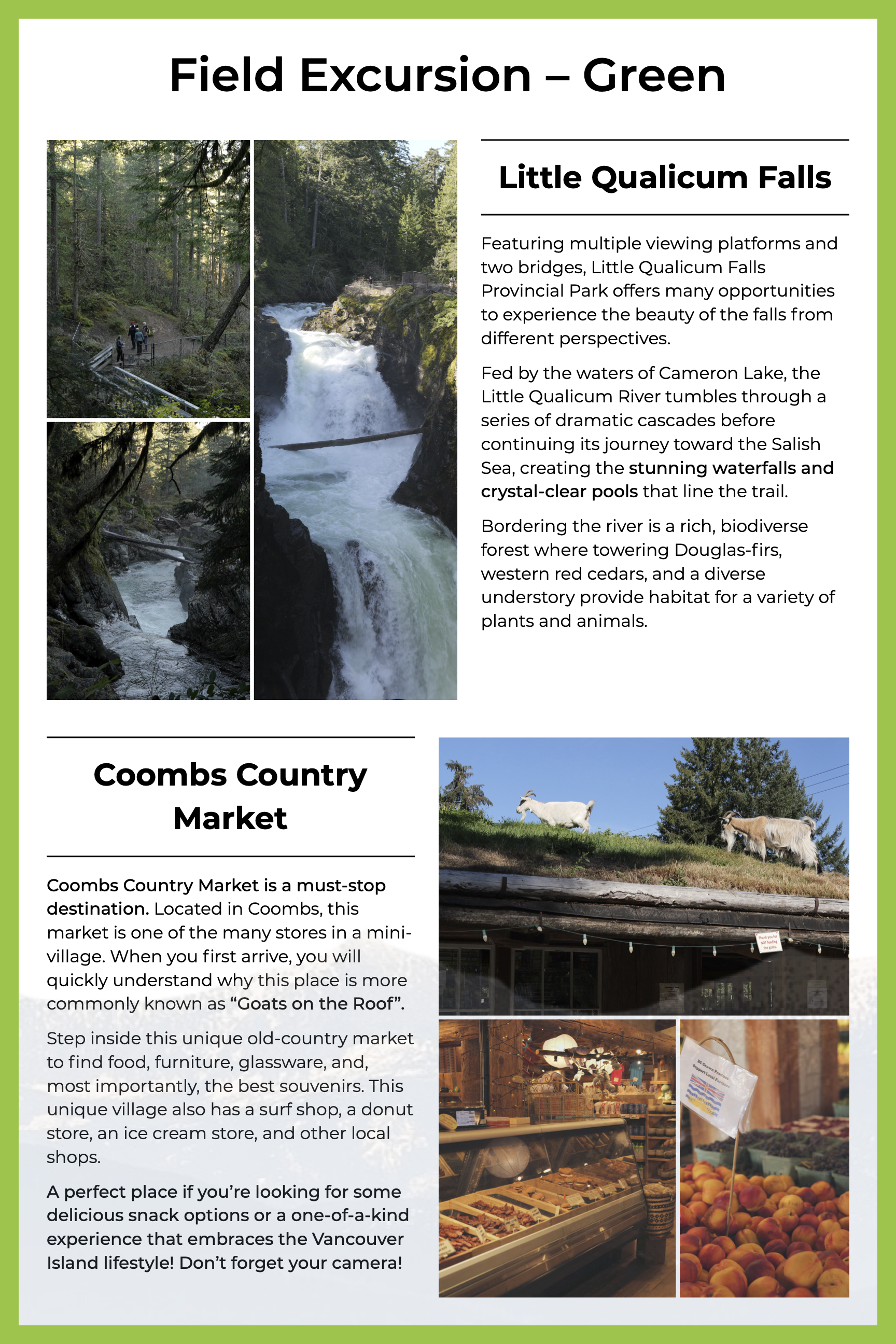
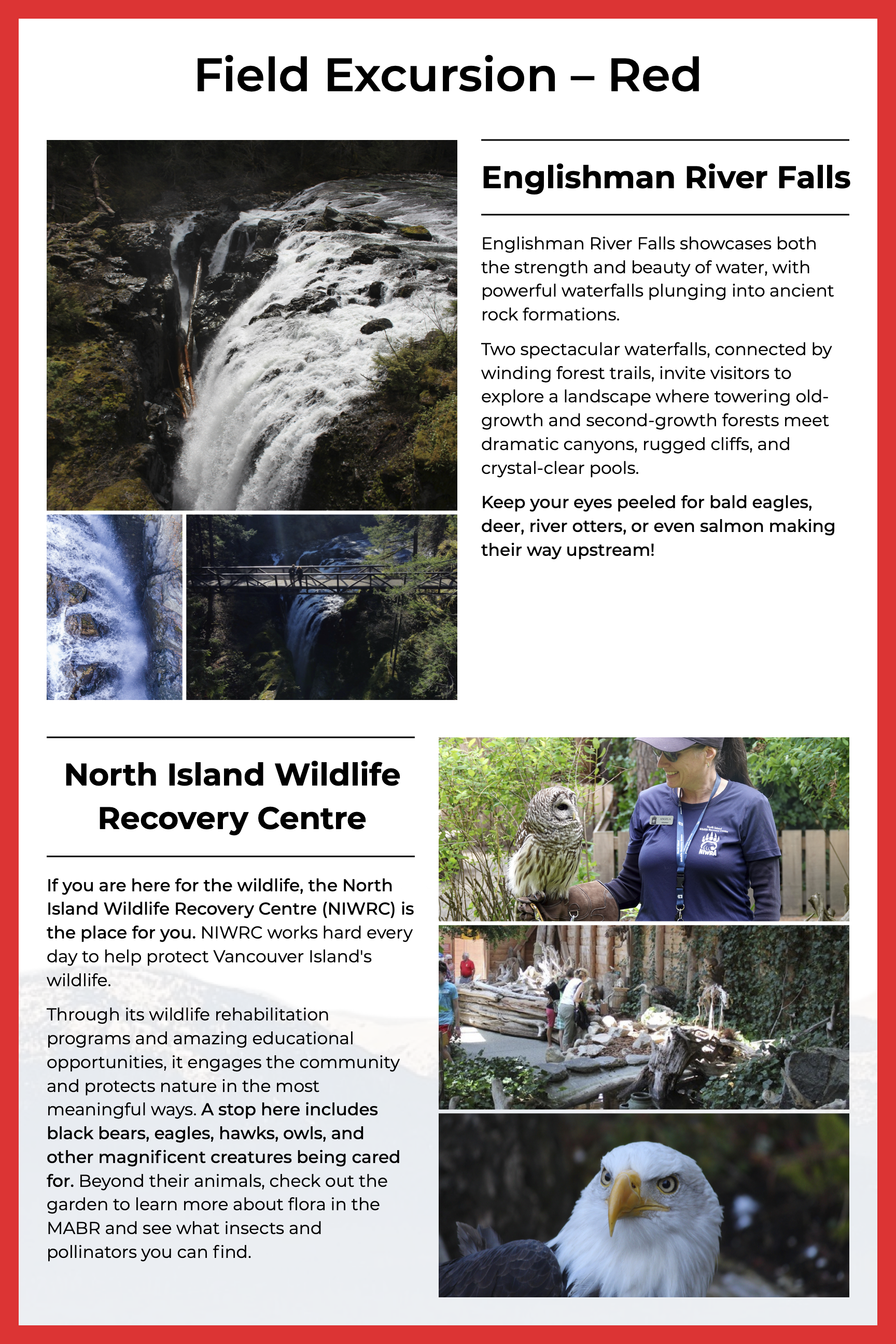
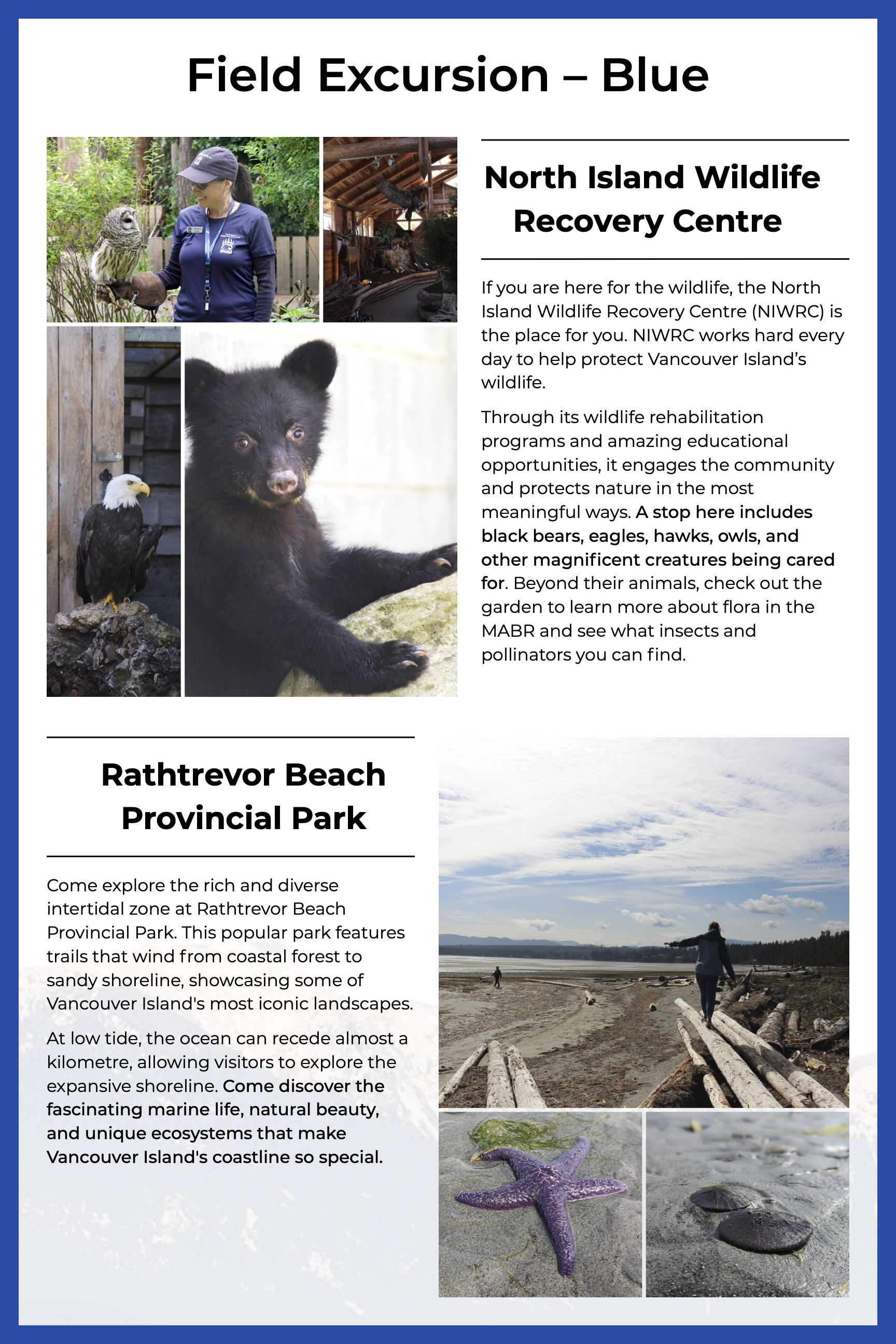
After breakfast you will gather into groups based on the field excursion you chose at registration (remember to bring your wristbands and name tags).
Once back at Tigh-Na-Mara you will have some free time before we get back onto buses and head over to the Qualicum Beach Civic Centre for the Cultural Evening where you will get to taste food and beverages from across Canada!
Morning Yoga (Pre-Register)
Breakfast
Field Excursion Check in
Field Excursions
7:00-7:45
8:00-9:00
9:00-10:00
10:00-16:15
Cultural Evening
18:00-22:00
First Buses Depart for Cultural Evening
Second Buses Depart for Cultural Evening
18:00
19:00
xe’xe productions – jealous moon – hwiitsus lhqelts’
20:00
First Buses Return from Cultural Evening
21:00
22:00
Second Buses Return from Cultural Evening
Thursday | Sept 17th, 2026
Wake up to the relaxing sounds of the Salish Sea as you enjoy your coffee on your balcony. Breakfast will be served in the conference centre and then we will head into a plenary session to start the day off with a presentation from the MAB Youth Network titled: Youth voices committed to our future: from words to action.
Breakout sessions will run for the remainder of the day split up by health breaks and lunch. Sessions will cover topics such as managing biosphere regions, community engagement, nature and identity, youth engagement, transdisciplinary problem solving, natural land protection and policy implementation.
You will have the entire evening free on Thursday and we encourage you to visit one of the many great restaurants in the City or Parksville or Town of Qualicum Beach.
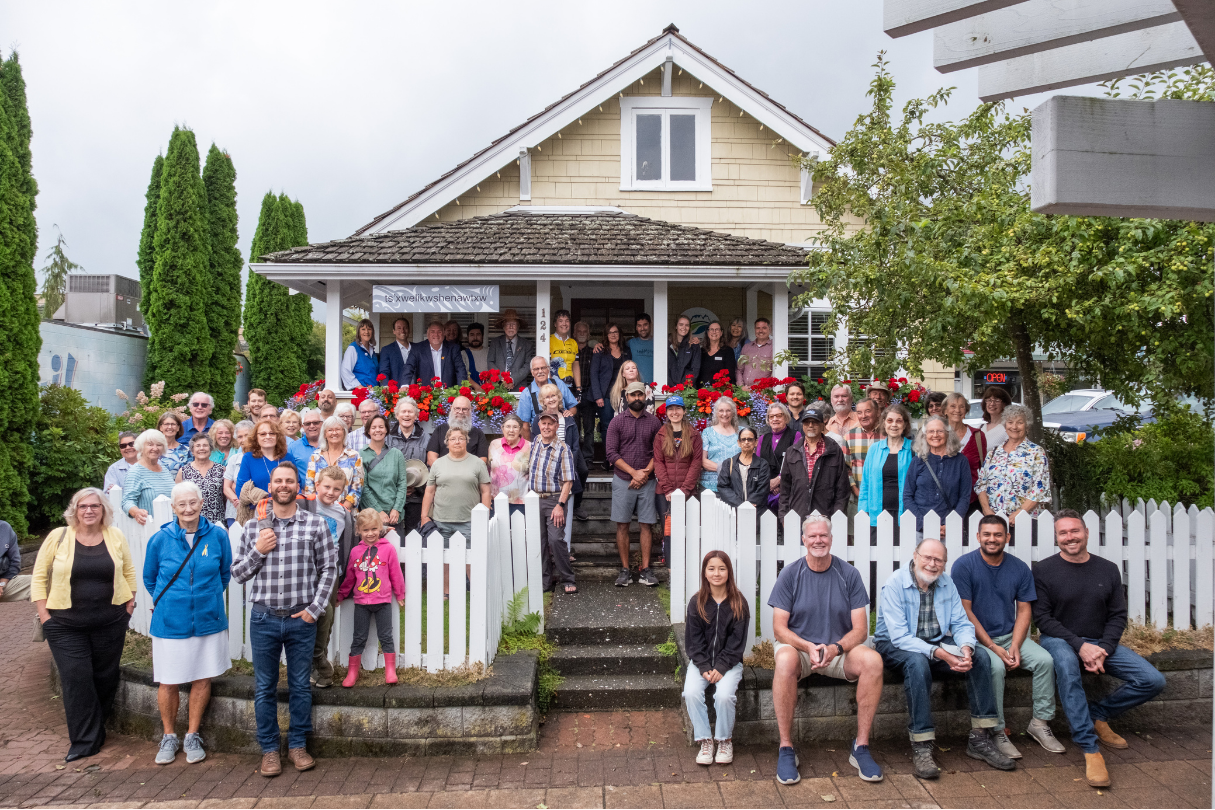
ts'xwelikwshenawtxw is the name of our Education Centre. It means “the house at the foot of Mount Arrowsmith and was gifted to the building by Qualicum First Nations. Opened in 2024, this education centre invites hundreds of visitors every year and hosts meetings for several of our local community initiatives like Streamkeepers and the Arrowsmith Naturalists.
Morning Yoga- (Pre-Register)
Breakfast
Plenary #3- Walbran Room
7:00-7:45
8:00-9:00
9:00-10:00
-
Terry Dorward- President of IISAAK OLAM Foundation
Terry is from TLA-O-QUI-AHT FIRST NATIONS from the House of Hi-you-eah which is represented by the SEITCHER family. In 2003, when he got married to Bev Dorward (Cree/Lakota) he was given the Nuu-chah-Nulth name “Seit-Cha” (One who swims around in the water).
Terry grew up in Port Alberni and was raised by his great-grandmother, Susan Marshall from Xwisten (Bridge river) of the St`at’imc nation. At an early age of 12, Terry participated in the 1984 marches and blockades that declared Wah-Nah-Jus/Hilth-Hoo-is (Meares Island) a Tribal Park. It was this profound experience that had politicized Terry to have an awareness of the struggles to uphold and protect Indigenous title and rights. Terry was an active member of various Indigenous direct action groups in the 1990s and 2000s that supported the removal of open net fish farms in Kwakwaka’wakw territories, as well defending west coast and east coast fishing rights in Esgenoopetitj and Cheam First Nations.
In 2005, Terry graduated from Malaspina University with a Bachelors of Arts with a focus on colonization/decolonization under Professor Umeek Atleo, First Nations Arts 1 program. From 2010-2016, 2018-2022, Terry was an elected councillor for Tla-o-qui-aht First Nations and represented his nation at the Union of BC Indian Chiefs. Today, Terry continues to participate in Tla-o-qui-aht Hereditary chiefs meetings to support his brother Ray Seitcher who is the Tyee Hawilth (Head chief) of Tla-o-qui-aht. From Nov 2007 to Jan 2023, Terry was the Tla-o-qui-aht Tribal Parks Project coordinator that helped deliver cultural, educational, stewardship, and economic projects in the rainforest. Terry was one of the co-founders of the Tla-o-qui-aht Tribal Parks Guardian program that continues to monitor and enforce Tla-o-qui-aht traditional laws within the region. Tla-o-qui-aht Tribal Parks continues to be upheld nationally and internationally as a successful, ongoing developing IPCA.
-
Gina Bayha - Director Ɂene Náweré (Lands, Resources and Environment Department), Délı̨nę Got’įnę Government, administrative hub for the Biosphere. Has been involved with and supporting the Biosphere since its beginning, extending her Uncle Morris Neyelle’s vision to protect Great Bear Lake for all time.
Kirk Dolphus - Ɂek’wahtı̨dǝ́ (chief), Délı̨nę Got’įnę Government; recently elected leader, bringing many years of direct management experience with DGG and former Biosphere Council member.
Health Break
Breakout #3
10:00-10:30
10:30-12:00
-
G’chi Bimadinaa: teaching us a good path to walk together
Speaker(s): Charlene Winger Jones & Victoria Serda
Abstract: G’chi Bimadinaa, the Niagara Escarpment, teaches us a good way to connect with each other and respect All Our Relations. Our workshop will start with a universal, easy and fun land acknowledgement, followed by a brief explanation of our Kinawaya Walk. We will all create a talking stick while discussing Indigenous ways of knowing such as ceremony, circles and teachings to create the base for Co-Governance. How can we ground international priorities and local teachings while learning from each other?
Growing Sustainable Food for Healthy Communities and Environment
Speaker(s): Cliff McCreedy & Rebecca Pollock
Abstract: Climate change and industrial farming are exacerbating soil loss and food insecurity. Community gardens and food outreach programs improve access to healthy, sustainably-grown foods, as demonstrated by three biosphere reserves in the U.S. and at Georgian Bay Mnidoo Gammii Biosphere in Ontario, Canada. Food outreach partnerships can support Indigenous food sovereignty and local growers working with rural and tribal communities. Workshop participants will discuss scaling of food system sustainability across the WNBR.
-
Enhancing Trust in Biosphere Reserves through Regenerative Organizing
Speaker(s): Maureen Reed & Brenda Wallace
Abstract: Bring one initiative from your Biosphere Reserve/Region and put it to work in a collaborative learning lab on “regenerative organizing”. Together, we will explore how initiatives create and share meaningful value, build trust, and support learning across generations and cultures. Through structured and engaging small-group (serious) play, you will develop a personalized “Home Action Card” with concrete actions to take back to your community to strengthen the impact and sustainability of your initiative.
-
Collaborating Across Borders: Quebec’s Five Biosphere Regions United to Harmonize Conservation and Land-Use Planning at the Provincial Level
Speaker(s): Amélie Adam & Brigitte Laprise & Elysanne Durand
Abstract: Quebec’s four UNESCO Biosphere Regions (Mont Saint-Hilaire, Lac-Saint-Pierre, Charlevoix and Manicouagan–Uapishka), recently joined by the newly designated Quebec Biosphere Region, have developed a collaborative framework to harmonize conservation, zoning and sustainable land-use planning. This storytelling session traces their shared journey, from inter-regional cooperation and OECM initiatives to Indigenous collaboration and municipal engagement. Participants will discover transferable approaches that strengthen governance, support biodiversity conservation and bridge local, provincial, and international sustainability objectives.
Involving local stakeholders in the Pilis Biosphere Reserve
Speaker(s): Borbála Major & Péter Frank & Alexandra Gecsei
Abstract: Pilis Biosphere Reserve is based on cooperation with local stakeholders (the national park, the forestry company, local authorities and NGO’s) with a view to promoting regional sustainable development. We share our experiences with our Slovak partners as part of cross-border cooperation. We are implementing an integrated forest management pilot project, which involves designating habitat trees as stepping stones for local biodiversity. The project focuses on developing innovative methods to control the spread of invasive alien species and on involving volunteers.
-
Social Change in Biosphere Reserves: Involvement, Local Acceptance and Participatory Governance Across Generational Transitions
Speaker(s): Heinz Mayer & Andreas Weiß & Matthias Merta & Elisabeth Wiegele & Jakob Mohl
Abstract: This interactive discussion session explores how UNESCO Biosphere Reserves can successfully navigate generational transitions by strengthening community involvement, local acceptance, and participatory governance. Building on reflections from Austrian Biosphere Reserves, participants will exchange experiences and co-develop ideas on engaging future generations, fostering volunteerism, preserving institutional memory, and creating inclusive governance structures that strengthen local identity, ownership, and long-term resilience across the EuroMAB network.
12:00-13:00
13:00-14:45
Lunch
Breakout #4
-
Forests as a Resource for Cultural Identity in Biosphere Reserves
Speaker(s): Tiemo Kahl
Abstract: What is a forest to a hunter, forester, environmentalist, nature enthusiast, hiker, or teacher? By having a relationship to forests, they may become a resource of our cultural identity. This workshop maps forest use, clarifies the values and goods behind identity, and explores how forest-based culture emerges, evolves, and can be anticipated. We seek pathways for cultural resource management toward balanced, sustainable forest stewardship.
-
From Recognition to Action: Advancing the Network of People for Living Waters Biosphere Reserves
Speaker(s): Dirk Janzen & Jana Gengelbach & Kirsten Meuer
Abstract: With the session, we aim to advance and support the structural development of the in 2025 established and by UNESCO recognized People for Living Waters Biosphere Reserves Network, to become actionable and provide anticipated benefits to the larger BR community, the communities within the BRs and their ecosystems. Together we want to explore how the network can grow and empower its’ members to implement, test and replicate sustainable development strategies in the context of aquatic ecosystem management.
-
From Policy to Practice: How can science-society interactions and research support sustainability transformations in Biosphere Reserves?
Speaker(s): Alexander Mitrofanenko
Abstract: This workshop presents findings from BIOSS, a transdisciplinary research project exploring how science-society interactions can strengthen the contribution of research to Biosphere Reserve management and sustainability transformations. Drawing on MAB policy analysis, interviews, and two decades of research projects from five Alpine Biosphere Reserves, it examines the gap between UNESCO MAB ambitions and practice and identifies conditions that support impactful research. The workshop participants will assess the findings across contexts and help refine recommendations for the wider MAB community.
-
Waves for Change - Strengthening Youth Engagement Through Transnational Biosphere Collaboration
Speaker(s): Åsa Pearce & Hanna Karvinen
Abstract: This session presents “Biosphere for Baltic – Future Generations”, a transnational initiative where youth, scientists, local knowledge holders, and biosphere coordinators co‑create new ways of connecting with nature. Through webinars, a Youth Forum, and a co-written Call to Action, the project weaves together diverse knowledge systems and empowers young people to take part in protecting the Baltic Sea. The session also showcases an exhibition and a practical handbook, offering replicable tools for youth engagement.
Let's Escape Together - Unlocking Action Target 20
Speaker(s): Marla Shultz & Jan Peter di Benedetto
Abstract: This interactive workshop invites participants to explore Action Target 20 of the Hangzhou Action Plan through a collaborative "escape room-style" experience. Participants are challenged to help unlock the future of youth engagement in the MAB Programme. Working in small groups, they will complete four mission challenges based on the four core components of Action Target 20.
Health Break
Breakout #5
14:45-15:15
15:15-17:15
-
Building a National Effort from Local Strengths: Lessons from the ECCC 30x30 Initiative
Speaker(s): Kate Potter & Jennifer Dingman
Abstract: This panel will discuss the work and approaches of Canadian biosphere regions to investigate the applicability of the national and international commitment to protecting 30% of lands and waters by 2030 from the Global Biodiversity Framework. Drawing on lived experience from biosphere regions with funding from Environment and Climate Change Canada, the discussion will highlight practical opportunities, challenges, and lessons for translating this national target into meaningful action at the local and national level.
-
Mapping Ripples, Measuring Impact: Participatory Evaluation in Biosphere Regions and Reserves Using Ripple Effects Mapping
Speaker(s): Marlis Merry & Andrew Batycki & Chloe Canning & Jana Gengelbach
Abstract: In this workshop session, participants will explore and share how they use evaluation within their Biosphere Region/Reserve, discussing advantages and challenges. Participants will then be introduced to Ripple Effects Mapping (REM), a group-based evaluation approach for discovering, documenting, and celebrating the impacts of community-engaged work. We will then present a case study situated within the Mount Arrowsmith Biosphere Region and, in small groups, work through the types of evaluation questions REM can help answer.
-
Adapting the urban areas of the Minett Biosphere to climate change
Speaker(s): Yann Logelin
Abstract: Climate adaptation is a growing challenge for biosphere reserves and the municipalities they support. The Minett Biosphere (Luxembourg) addressed this challenge through ClimProSud, a regional bioclimatic analysis covering 11 municipalities at high spatial resolution. Building on the study’s results, a climate scanner was developed to transform scientific climate data into an operational decision-support tool for urban planning. This presentation demonstrates how biosphere reserves can act as living laboratories that connect science, governance and practical climate adaptation.
Art illuminating Science in the Cascade Head Biosphere Region
Speaker(s): Duncan Berry
Abstract: The focus of our presentation will be the dynamic use of art to illuminate and communicate complex science to people from all walks of life, while connecting them to a deeper relationship with the living planet. The impact of these programs has been to reach people not only intellectually, but also emotionally and intuitively, creating ambassadors in the community and throughout the Pacific Northwest region. (We will offer over 40 programs, workshops and events in 2026) Our presentation will include a brief demonstration of our signature gyotaku / nature printing of a species found in the Biosphere If the format allows participants will be invited a Gyotaku print. for themselves
-
Biosphere & Economy: Sustainable and future-oriented impulses for regional development through the interconnection of economy and biosphere
Speaker(s): Torsten Raab & Dr. Peter Loreth
Abstract: Interwoven Futures become tangible when businesses and biosphere reserves act as co-creators of sustainable regional development. Drawing on experiences from the UNESCO Biosphere Reserves Rhön and Berchtesgadener Land, this presentation demonstrates how long-term cooperation, regional value chains, sustainability standards, and shared governance create benefits for biodiversity, local economies, and communities. Participants will gain practical, transferable approaches for enabling businesses to act as co-creators of resilient, sustainable biosphere regions across the EuroMAB network.
Strategic Consulting as a Bridge: Building Collective Impact, Stakeholder Engagement and Financial Capacity in BRs
Speaker(s): Jessica Prescott & Rebecca Pollock
Abstract: This session explores how Biosphere Regions (BRs) can respond to local needs, build strong partnerships, and generate income through mission-driven consulting services, boosting financial autonomy while directly supporting BR functions. Two established BR-based consulting practices, Canada's Manicouagan-Uapishka Biosphere Region (MUBR) and Georgian Bay Mnidoo Gamii Biosphere Region (GBB), will present their business models and share concrete outcomes from leveraging their expertise through consulting services.
An additional presentation on youth engagement will occur here- More information coming soon!
Friday | Sept 18th, 2026
As EuroMAB 2026 concludes, final reflections and closing plenary sessions will guide us to reflect on and celebrate new ideas, relationships, and possibilities while looking ahead to the next chapter of collaboration and sustainability.
A shuttle will be available from Tigh-Na-Mara to the Nanaimo Airport throughout the day. Please check in with the registration desk if you need a ride to the airport.
Thank you for attending EuroMAB 2026 in the Mount Arrowsmith Biosphere Region, and we hope to stay connected with you all into the future!
Morning Yoga (Pre-Register)
Breakfast
Plenary #4- Walbran Room
7:00-7:45
8:00-9:00
9:00-10:30
-
Dr. Pam Shaw- Co-Director, Mount Arrowsmith Biosphere Region Research Institute & Roundtable Member, Mount Arrowsmith Biosphere Region
Zoe Compton- Programme Officer, Natural Sciences, Canadian Commission for UNESCO
Jean-Philippe Messier- Chair of Canadian MAB Committee and co-representative of Canada on the MAB International Coordinating Council
The closing plenary will draw together the key insights and experiences of the week and turn the conversation toward EuroMAB’s next chapter. Pam Shaw and Zoe Compton will report back on the themes that emerged across the plenaries, twenty workshops, field trip and cultural activities, reflecting on how these interconnected contributions speak to Interwoven Futures and the Hangzhou Strategic Action Plan. Jean-Philippe Messier will then facilitate a forward-looking reflection and breakout session with the audience to explore what the future may hold for EuroMAB, including how its governance, structure, priorities and funding could evolve. Participants will be invited to consider lessons from other network and governance models, identify strategic opportunities, and help shape a more effective, inclusive and sustainable framework for EuroMAB’s continued growth.
Closing Ceremony
10:30-11:00
-
-
tsumqwutun (Lawrence Mitchel)- Snaw-naw-as First Nations.
Jaylen George and Kyrrah Thomas- Snaw-naw-as First Nations.