
Governance
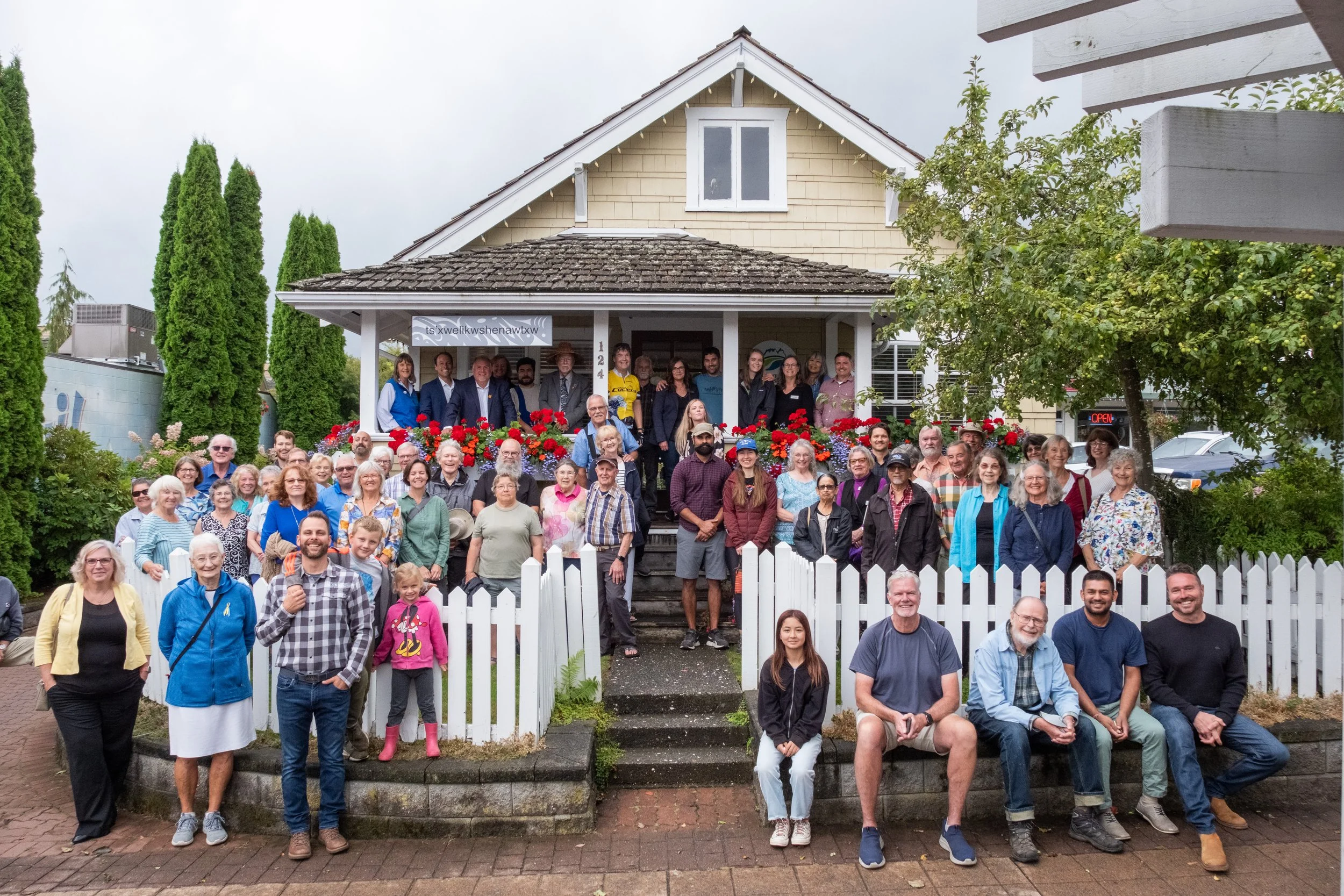
The staff of the Mount Arrowsmith Biosphere Region and its associated research institute at Vancouver Island University are guided by a Roundtable composed of regional representatives, including local First Nations (Snaw-naw-as, Qualicum, and Snuneymuxw), local and senior levels of government, Vancouver Island University, conservation organizations, the forestry sector, local businesses, and elected community representatives.
MABR Roundtable Representatives
Anne Skipsey, Councillor Town of Qualicum Beach
Blain Sepos, Parksville Qualicum Beach Tourism Association
Catherine Watson, Community Representative
Cheryl Jones, Councillor Snaw-naw-as First Nation
Chris Hutton, Islands Trust
Daniella Novak, Qualicum Beach Chamber of Commerce
Geraldine Manson, Snuneymuxw First Nation
Graham Sakaki, Vancouver Island University
Kim Burden, Nanoose Economic Development Corporation
Lauren Touchant, Vancouver Island University
Lehann Wallace, Director Regional District of Nanaimo
Omar Karim, Parksville & District Chamber of Commerce
Mandy Fraser, MABR Governance Officer
Nitya Harris, Community Representative
Michael Recalma, Chief Qualicum First Nation
Pam Shaw, Honorary Member
Shawn Lukas, The Nature Trust of British Columbia
Steve Adams, Mosaic Forest Management
Sydney Boyachek, Mount Arrowsmith Biosphere Region Research Institute
Sylvia Martin, Councillor City of Parksville
Teunis Westbroek, Mayor Town of Qualicum Beach
Thomas Reid,The Nature Trust of British Columbia
leadership & Coordination

Mandy Fraser, Governance Officer
On maternity leave as of September 1st, 2025.
Mandy is the MABR’s Governance Officer. Mandy manages the MABR’s internal and external communications, coordinates community engagement events, and facilitates Roundtable meetings and community forums for the MABR.

Ray Woroniak, Executive Director
Ray supports community-based sustainability and collaboration within the MABR. He works to connect federal, provincial, municipal and First Nation governments to academic partners, community organizations, businesses, conservation groups, and residents in support of ecological awareness, cultural understanding, and stewardship. Through MABR, Ray fosters meaningful connections between people, nature, and community.